Dominic Hamers: Bulgaria has resources and investors, but it needs to speed up administrative procedures
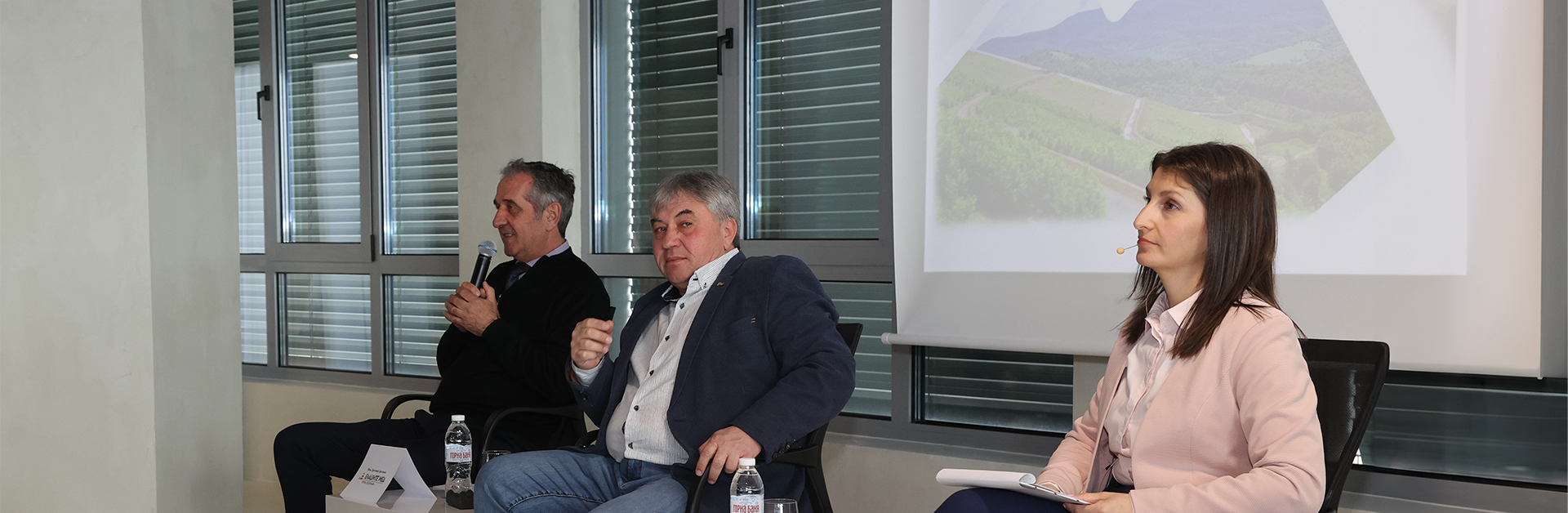
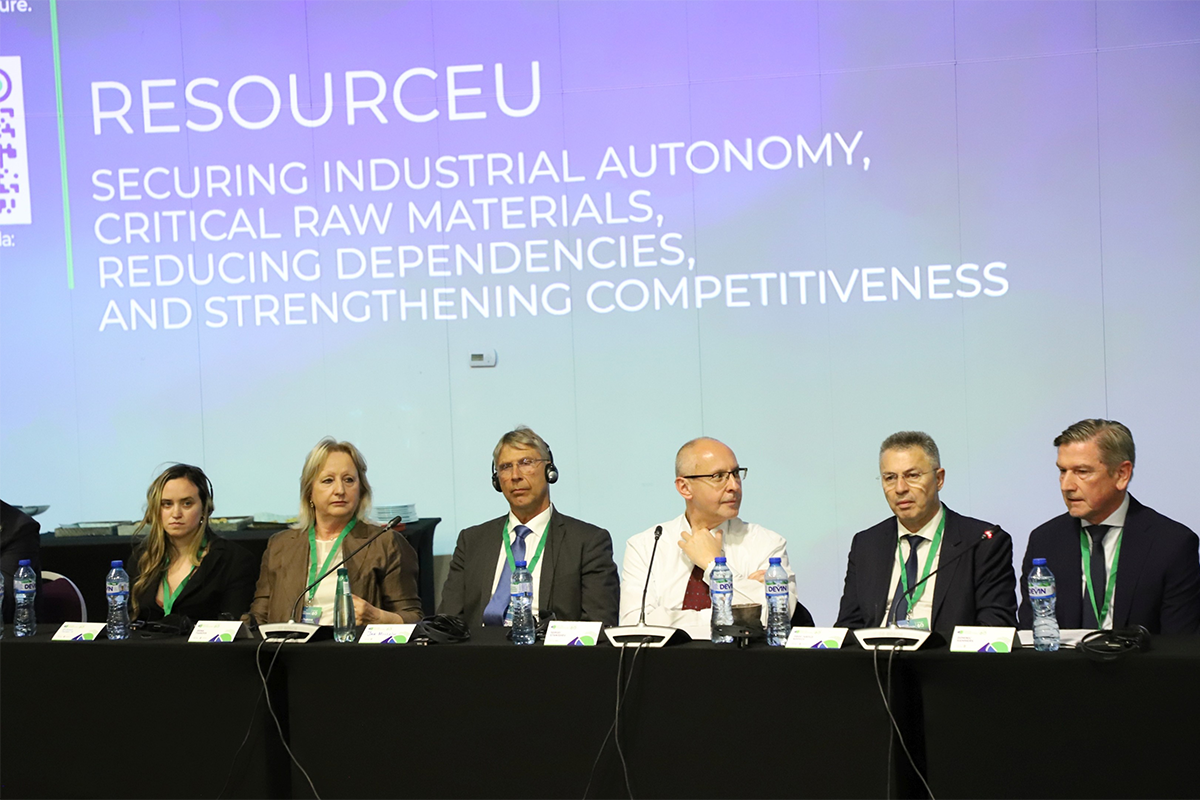
Mr. Dominic Hamers, Executive Director of Geotechmin OOD and a member of the Supervisory Board of Ellatzite-Med AD, took part in an interactive panel discussion focused on the EU’s strategic autonomy, critical raw materials supply, reducing dependence on external suppliers and accelerating the competitiveness of European industry. The discussion was held in partnership with the University of Mining and Geology “St. Ivan Rilsky” as part of the Green Transition Forum 2026.
In his speech, Mr. Dominic Hamers emphasized that Bulgaria has one of the most significant competitive advantages for Europe’s future development: a strong domestic resource base and a modern mining industry that successfully applies best practices in sustainable development, innovation, the circular economy and partnerships with local communities.
‘Many people are impressed by the resilience, innovation and constructive dialogue between Bulgarian mining companies and all stakeholders. The Bulgarian mining industry operates to a very high standard. But the government needs to provide stronger support for the sector,’ said Mr. Hamers.
He emphasized that raw materials are the foundation of economic growth and that Bulgaria must utilize the opportunities its natural resources offer for the development of both the national and European economies.
According to Mr. Dominic Hamers, the EU has rightly designated copper as a strategic metal for the green and digital transitions. However, while encouraging new explorations and investments is essential, it is equally important to support existing mining operations.
‘The fastest way to secure the copper needed for the energy transition is through the mines and production facilities that are already producing today and will continue producing in the near future. That is why it is extremely important that existing mines receive state support under the Critical Raw Materials Act,’ stressed Mr. Hamers.
He highlighted that the main obstacles to the sector’s advancement are not related to a lack of capital, technological innovation or expertise, but rather to burdensome administrative procedures and regulatory uncertainty for investors.
‘Investors in Bulgaria assume the geological, technological, market and financial risks. The only risk they cannot manage is the lack of predictability in the administrative process. Permits are delayed, procedures are fragmented and statutory deadlines are often not met,’ he said.
Mr. Hamers also highlighted a structural problem in the implementation of major investment projects. ‘The concession is granted by a strategic decision of the Council of Ministers, but its implementation depends on numerous administrative bodies which often lack adequate coordination. Once the state has made a strategic decision, all institutions must work together as one coherent mechanism to ensure its effective implementation,’ he said.
According to him, every delay – even one lasting a few months – increases project costs, creates uncertainty for investors and postpones benefits for the state, municipalities and local communities.
Mr. Hamers noted that the problem is not confined to Bulgaria: ‘We see the same trend in other countries in the region – for example, in North Macedonia and Serbia where projects for extraction of strategic and critical raw materials have failed to move forward for years, despite their importance to the economy and regional development.’
‘We want predictability and transparency in administrative procedures. Adherence to statutory deadlines and better coordination between institutions are among the key conditions for accelerating strategic and critical raw material projects and strengthening Europe’s competitiveness,’ he concluded.
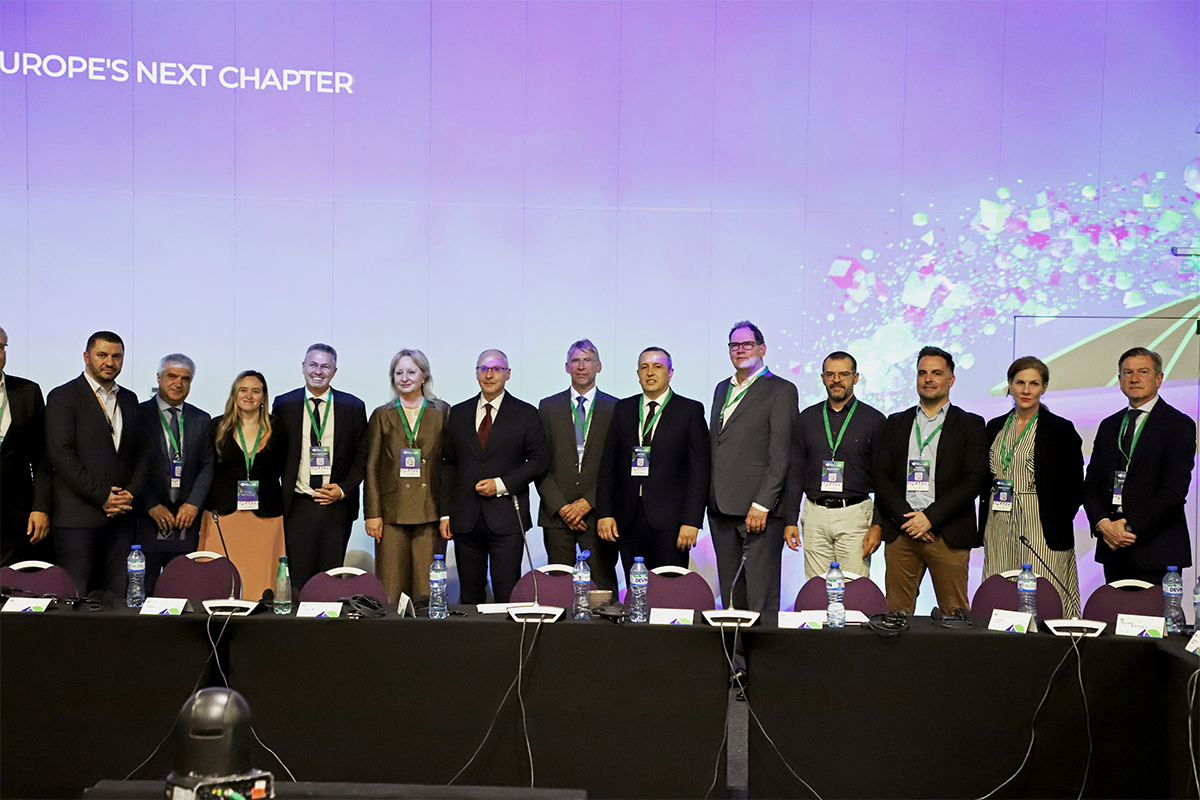
The discussion was moderated by Mr. Sergei Stanishev, a member of the Strategic Foresight Committee at Green Transition Forum and Prime Minister of the Republic of Bulgaria (2005-2009). Among the participants were Mr. Jan Moström, President of Euromines, as well as representatives of the mining and metallurgical industries, academia and employer organizations from Bulgaria and across the Balkans.